🌿 Introduction: The Rise of India’s Oldest Fragrance Industry
India’s attar (natural perfume oil) industry—rooted in centuries-old traditions—is experiencing a powerful revival in 2026. Once reserved for royalty and spiritual rituals, attars are now re-emerging as a premium, sustainable alternative to synthetic perfumes.
Driven by changing consumer preferences, digital transformation, and global demand for natural products, the Indian attar market is transforming into a multi-billion rupee opportunity.
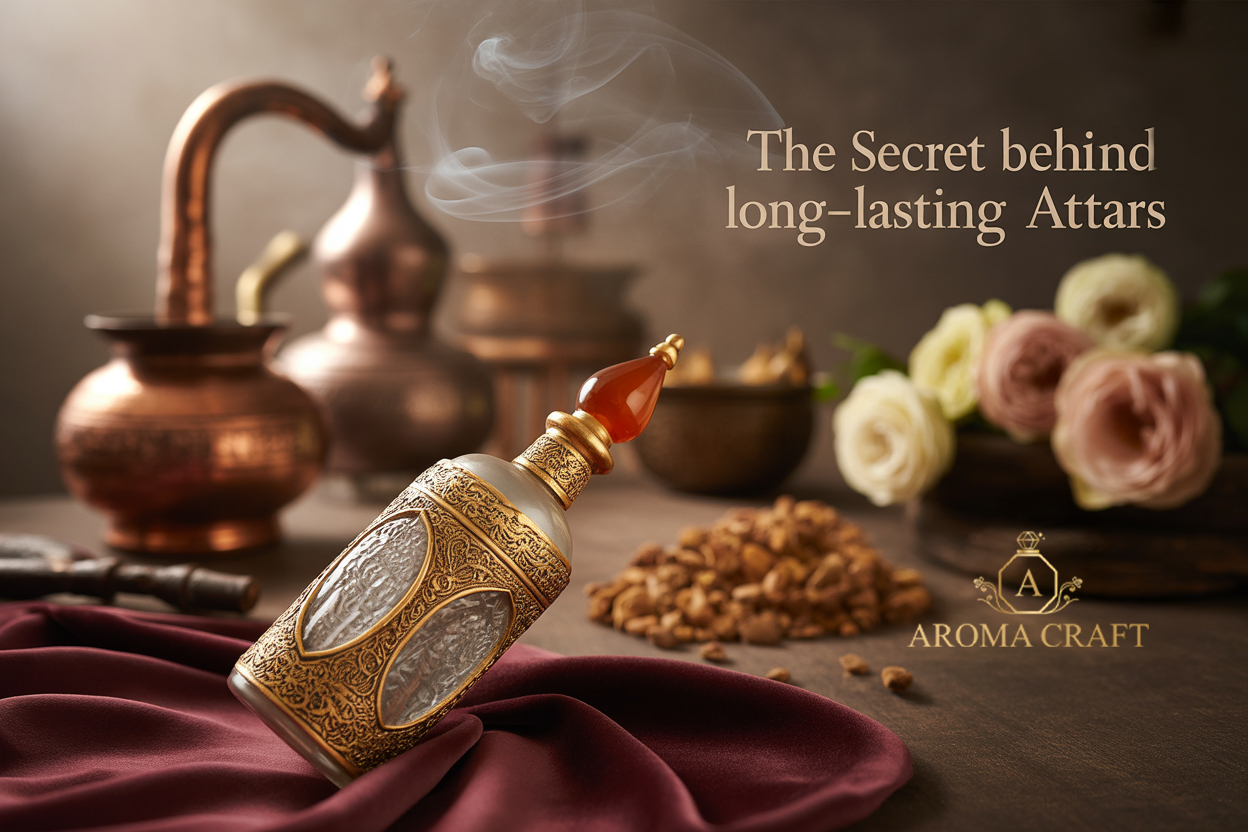
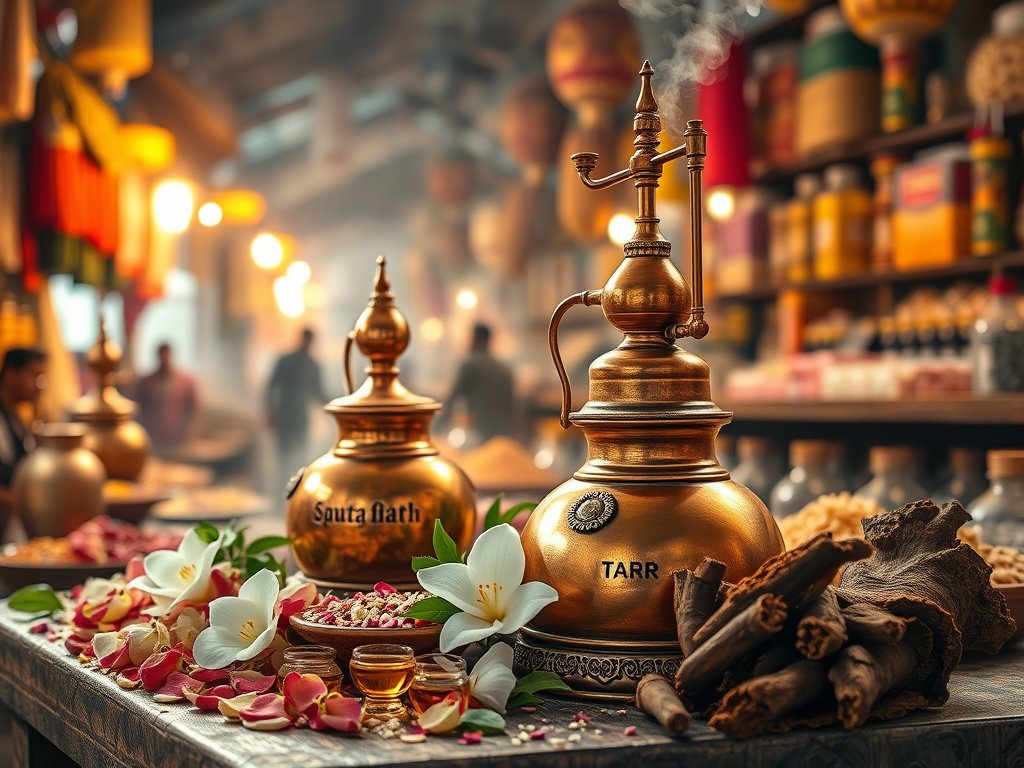
📸 Traditional Attar Distillation (Kannauj Heritage)
📊 Market Size & Growth Outlook
The broader Indian fragrance market is expanding rapidly:
- Valued at $1.25 billion in 2025, projected to reach nearly $2 billion by 2034
- Expected CAGR: 5–7% (2026–2034)
- Attar segment growing faster due to natural & heritage appeal
Additionally, India’s perfume and attar industry is estimated at ₹8,000–10,000 crore, with growth rates of 15–18% annually
👉 This indicates that attar is not just surviving—it’s outperforming many modern fragrance categories.
🌼 What Makes Attars Unique?
Attars are alcohol-free natural perfumes, created through steam distillation of:
- Rose (Gulab)
- Jasmine (Mogra)
- Vetiver (Khus)
- Sandalwood
- Oud (Agarwood)
Unlike synthetic perfumes:
- Long-lasting (up to 24 hours)
- Skin-friendly
- Eco-conscious
- Deep cultural value
📌 Attars are increasingly seen as luxury wellness products, not just fragrances.
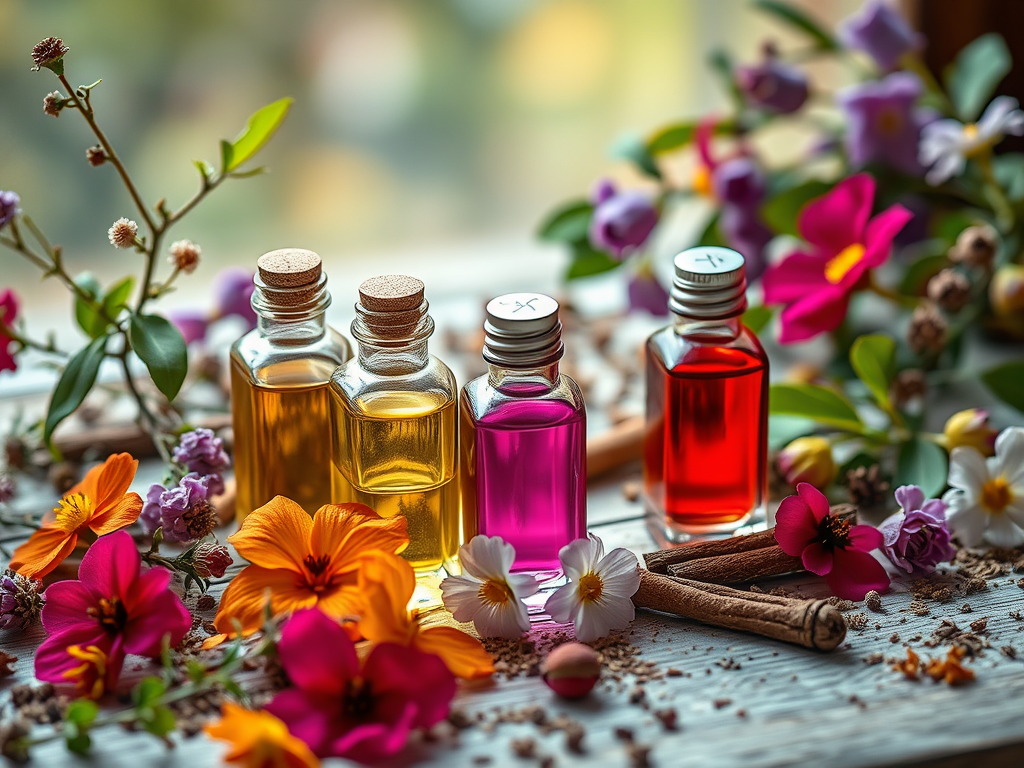
📸 Popular Attar Ingredients & Bottles
🚀 Key Trends Driving the Attar Market in 2026
1. 🌱 Shift Toward Natural & Sustainable Products
Consumers are actively choosing chemical-free, eco-friendly fragrances, boosting attar demand
2. 🧘 Wellness & Ayurveda Integration
Attars are now used in:
- Aromatherapy
- Meditation
- Spiritual rituals
3. 📱 Rise of Direct-to-Consumer (D2C) Brands
Instagram, Amazon, and niche websites are transforming sales:
- 70%+ discovery happens online
- Small brands now compete globally
4. 🎯 Personalization & Niche Fragrances
Consumers want signature scents, not mass-produced perfumes
5. 💍 Luxury Gifting & Wedding Trends
Attars are now used in:
- Wedding gifting
- “Scent experiences” at events
🏙️ Key Attar Hubs in India
🏆 Kannauj – The Perfume Capital of India
- Produces majority of India’s natural attars
- Uses traditional copper distillation (deg-bhapka system)
- Global export hub
🌆 Other Important Centers:
- Lucknow
- Hyderabad
- Mumbai
These cities blend heritage craftsmanship with modern branding.
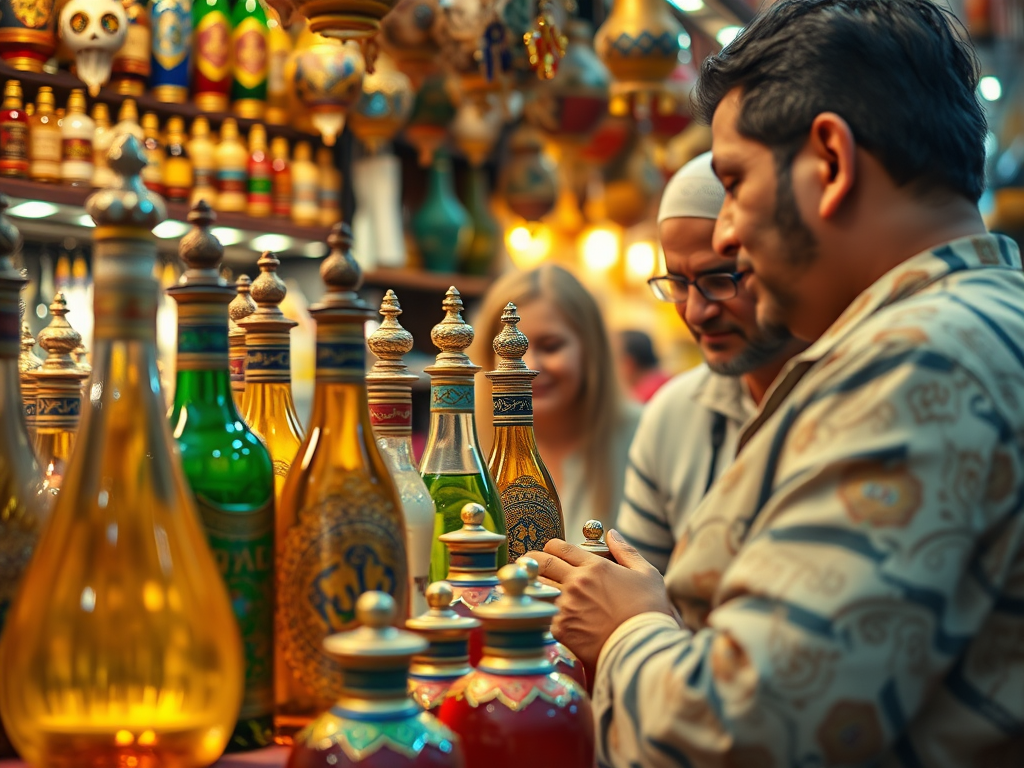
📸 Attar Markets & Retail Culture
⚠️ Challenges in the Attar Industry
Despite growth, the sector faces serious issues:
❌ Declining Margins
Traditional attar makers’ margins dropped from 900% to 10–20%
❌ Competition from Synthetic Perfumes
Cheap alcohol-based perfumes dominate urban markets
❌ Lack of Branding & Global Positioning
Many artisans remain:
- Unorganized
- Offline
- Under-marketed
❌ Counterfeit Products
Low-quality replicas damage trust in the market
💡 Opportunities in 2026 & Beyond
The Indian attar market is full of untapped potential:
🌍 Export Boom
- High demand in Middle East, Europe, USA
- “Made in India” heritage gaining global respect
🧴 Premium & Niche Branding
- Luxury attar brands emerging
- Higher margins through storytelling & packaging
🛍️ E-commerce Expansion
- Tier-2 & Tier-3 cities becoming key buyers
🔬 Innovation + Tradition
- Hybrid perfumes (attar + EDP blends)
- Modern packaging (roll-ons, travel sizes)
🧠 Future Outlook: The Attar Renaissance
The Indian attar industry is entering a “renaissance phase”:
- From royal courts → global luxury shelves
- From traditional craft → premium lifestyle product
- From local bazaars → digital-first brands
Experts believe attars will become a core segment of India’s booming beauty industry, which is projected to grow significantly by the end of the decade
✨ Conclusion
In 2026, the Indian attar market stands at a unique intersection of heritage, sustainability, and modern entrepreneurship.
For consumers, it offers authenticity.
For entrepreneurs, it offers opportunity.
For India, it represents a fragrant legacy ready to conquer the world.